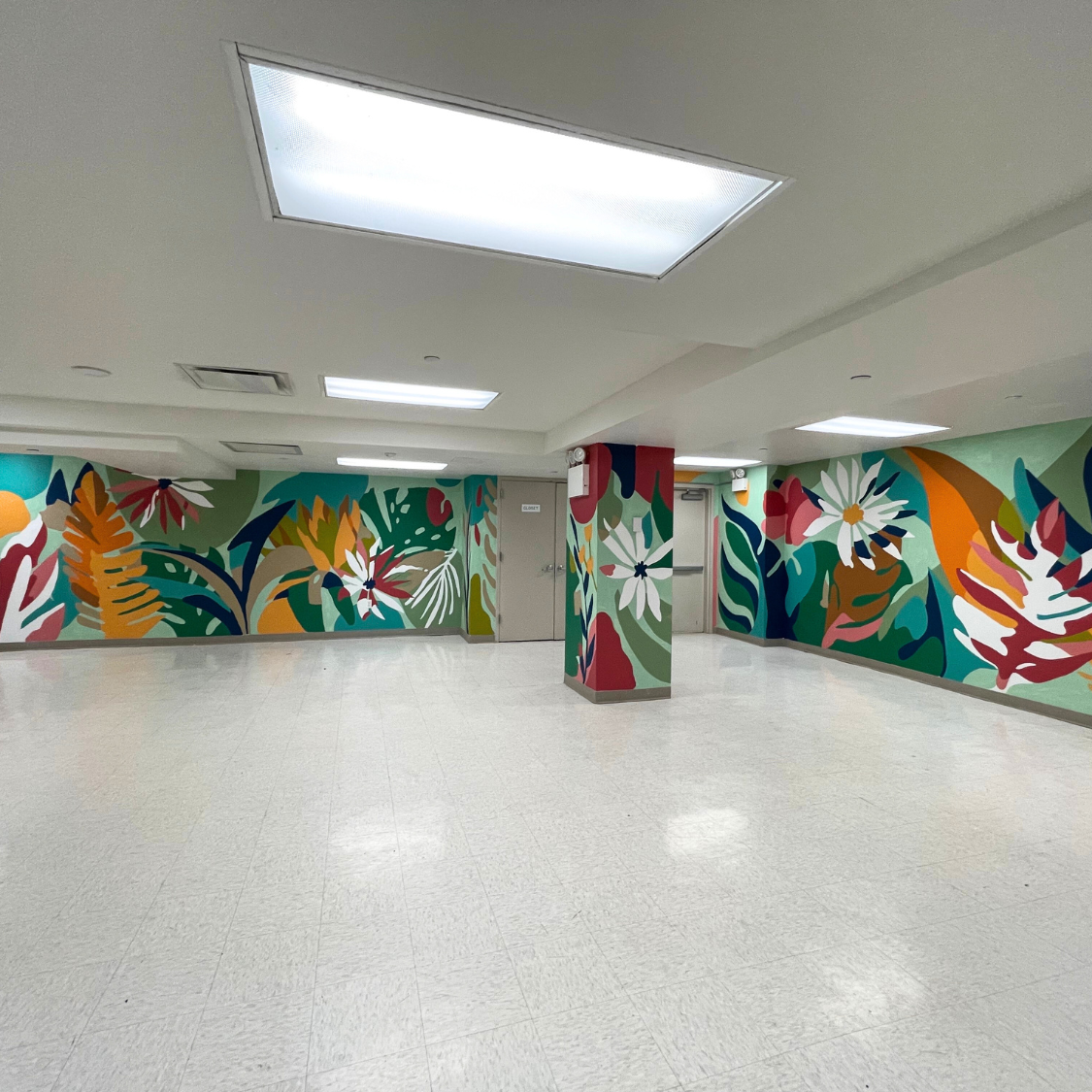
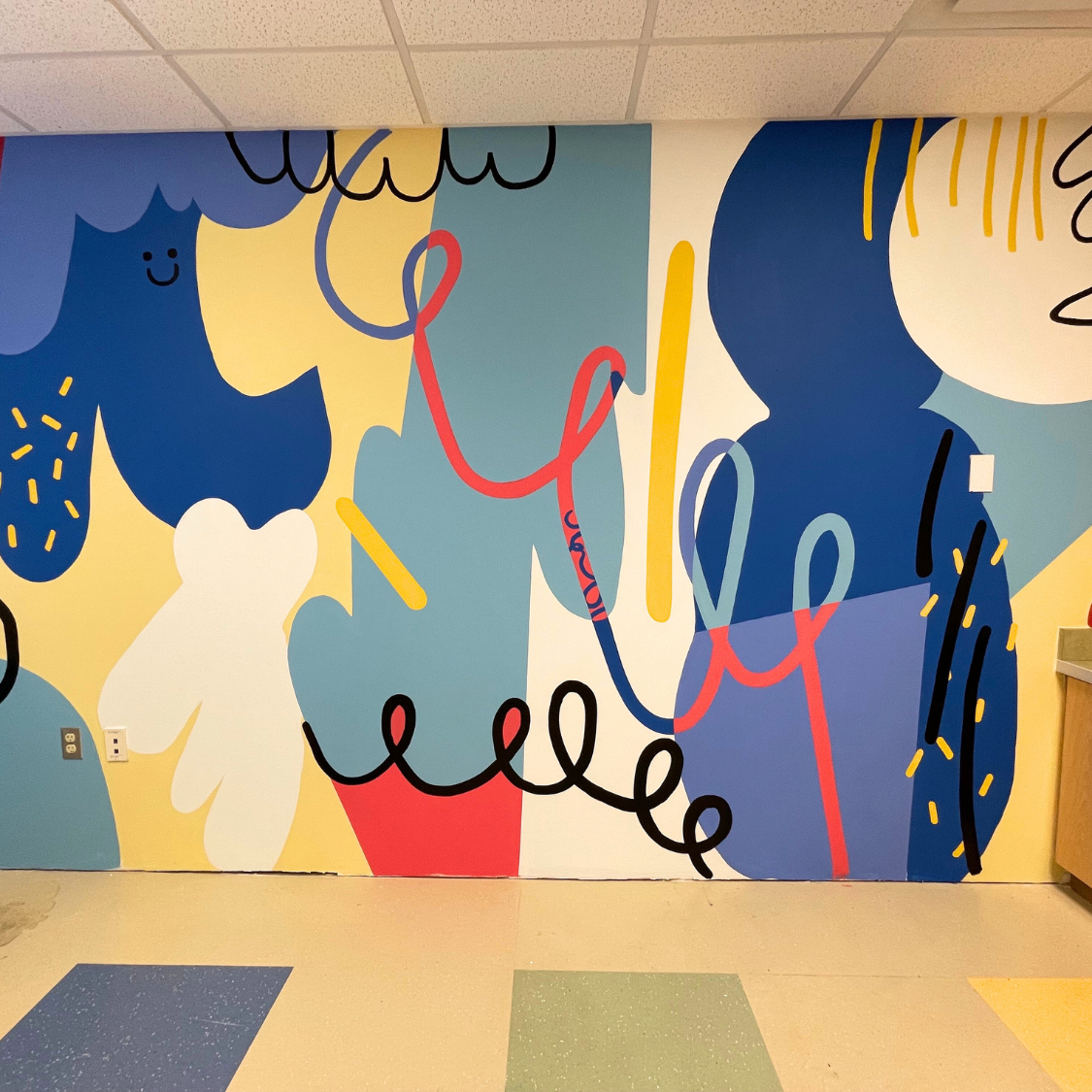
2026 Spring Spectacular Live Artist: Ramiro Davaro-Comas
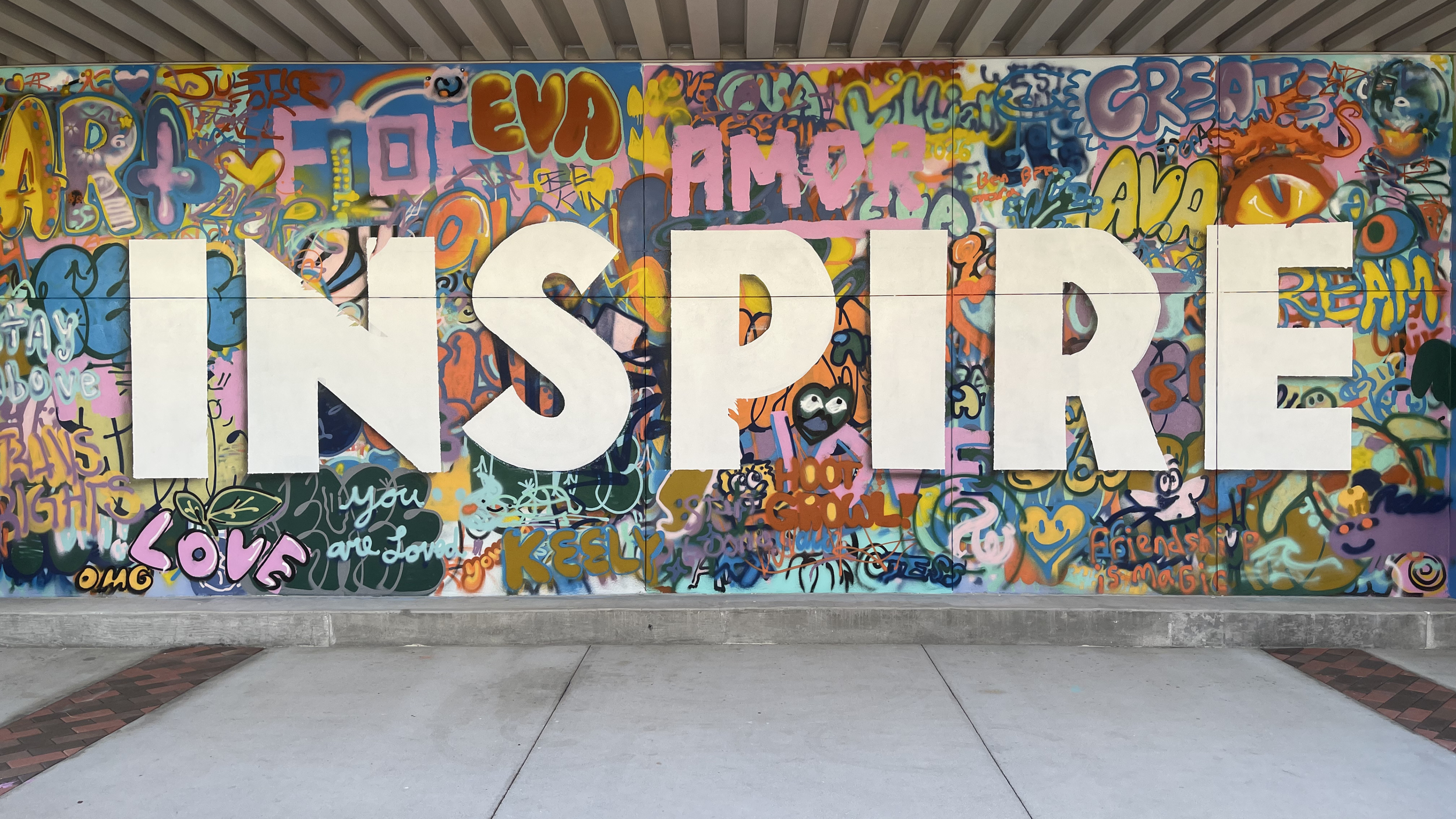
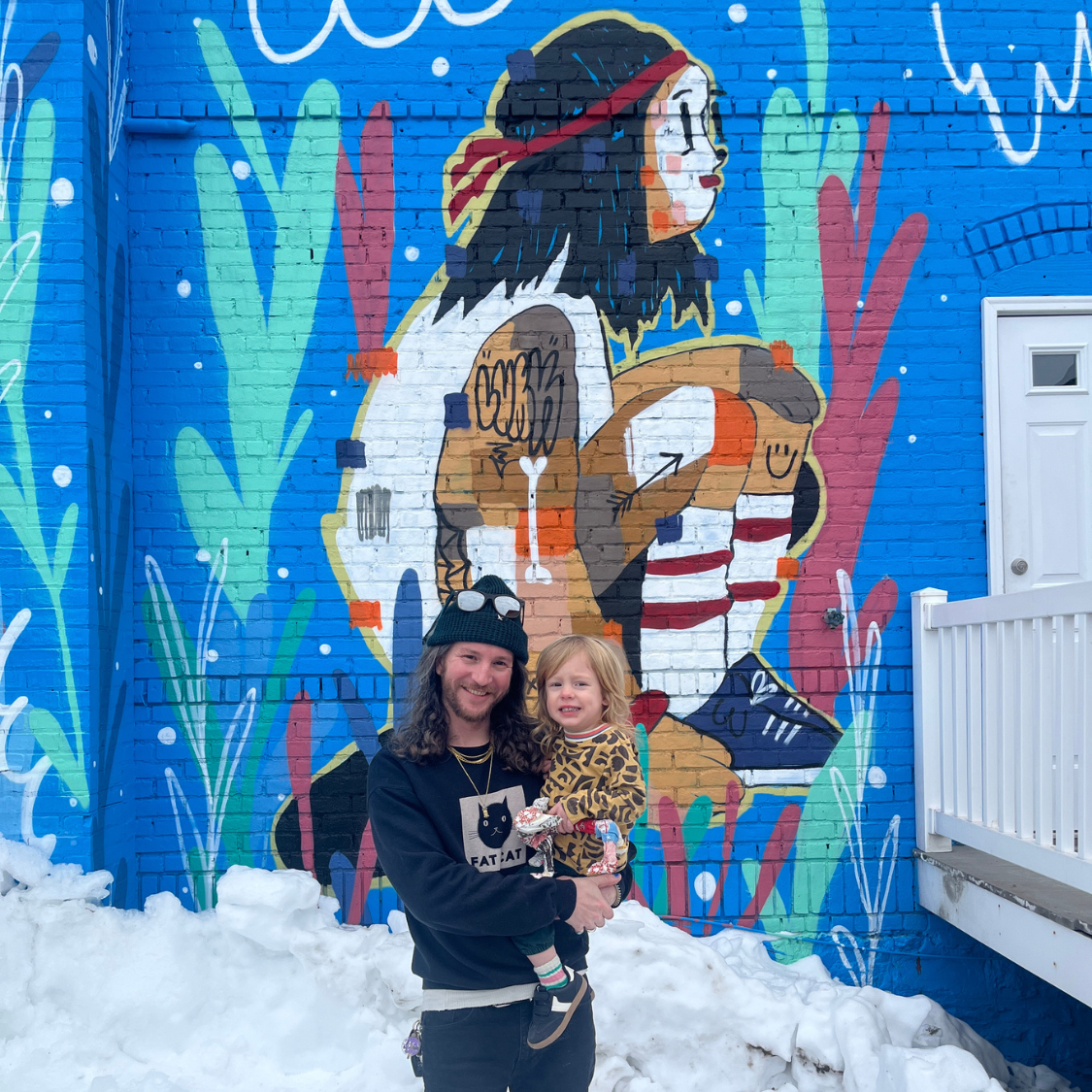
Mural by Ramiro Davaro-Comas, FGCU, Ft. Meyers, FL, 2025
We’re thrilled to welcome Ramiro Davaro-Comas, Artist, Muralist and Co-Director of Super-Stories as this year’s live artist!
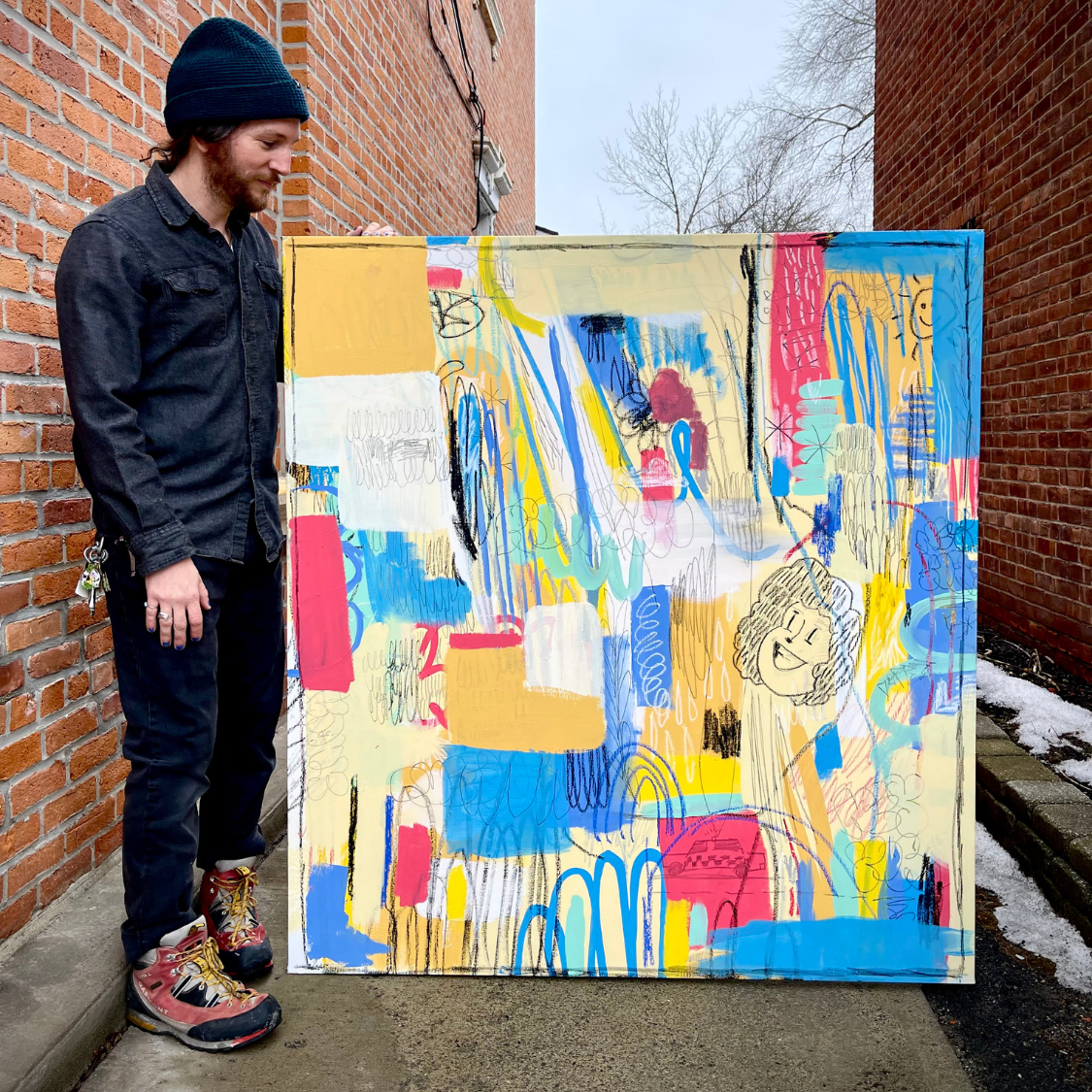
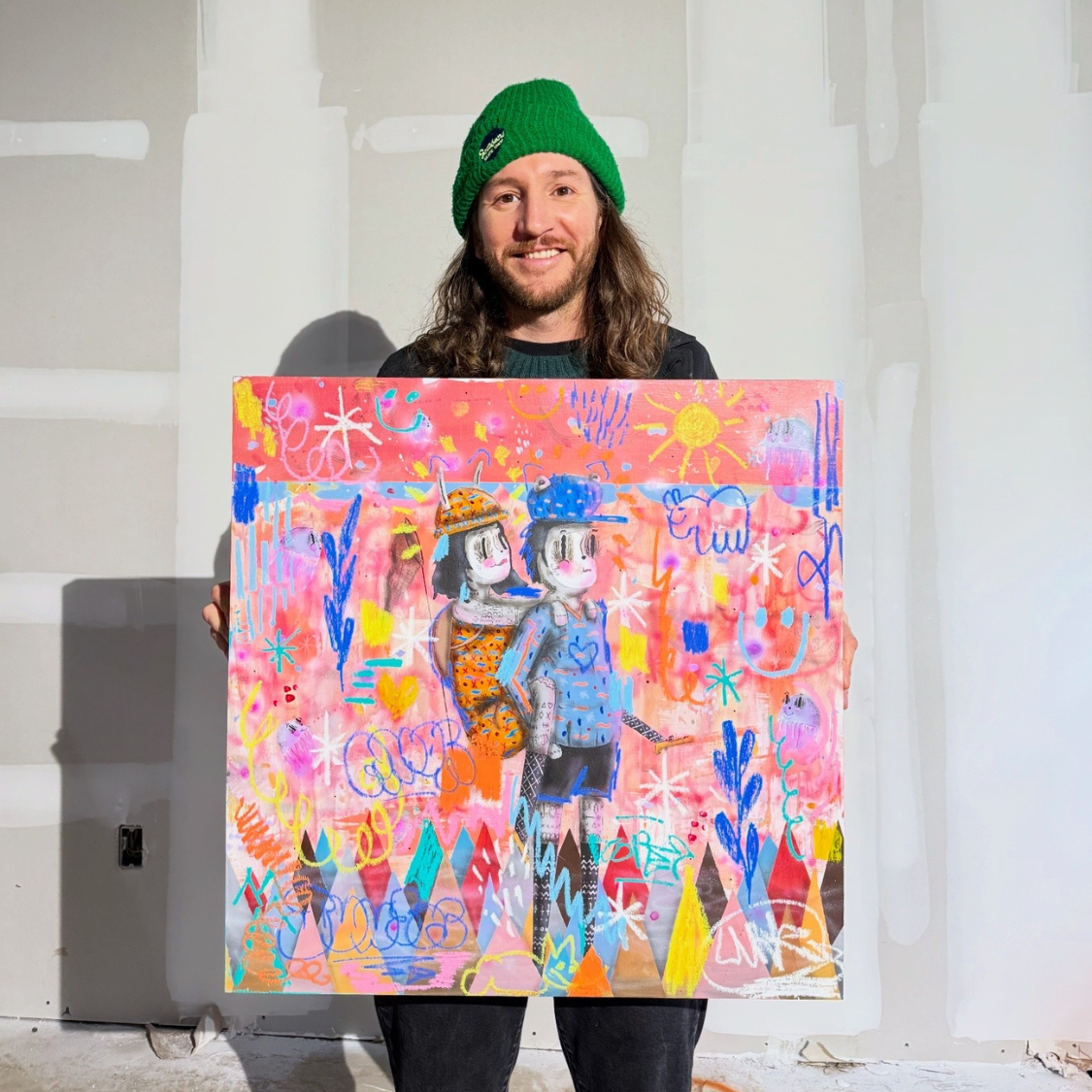
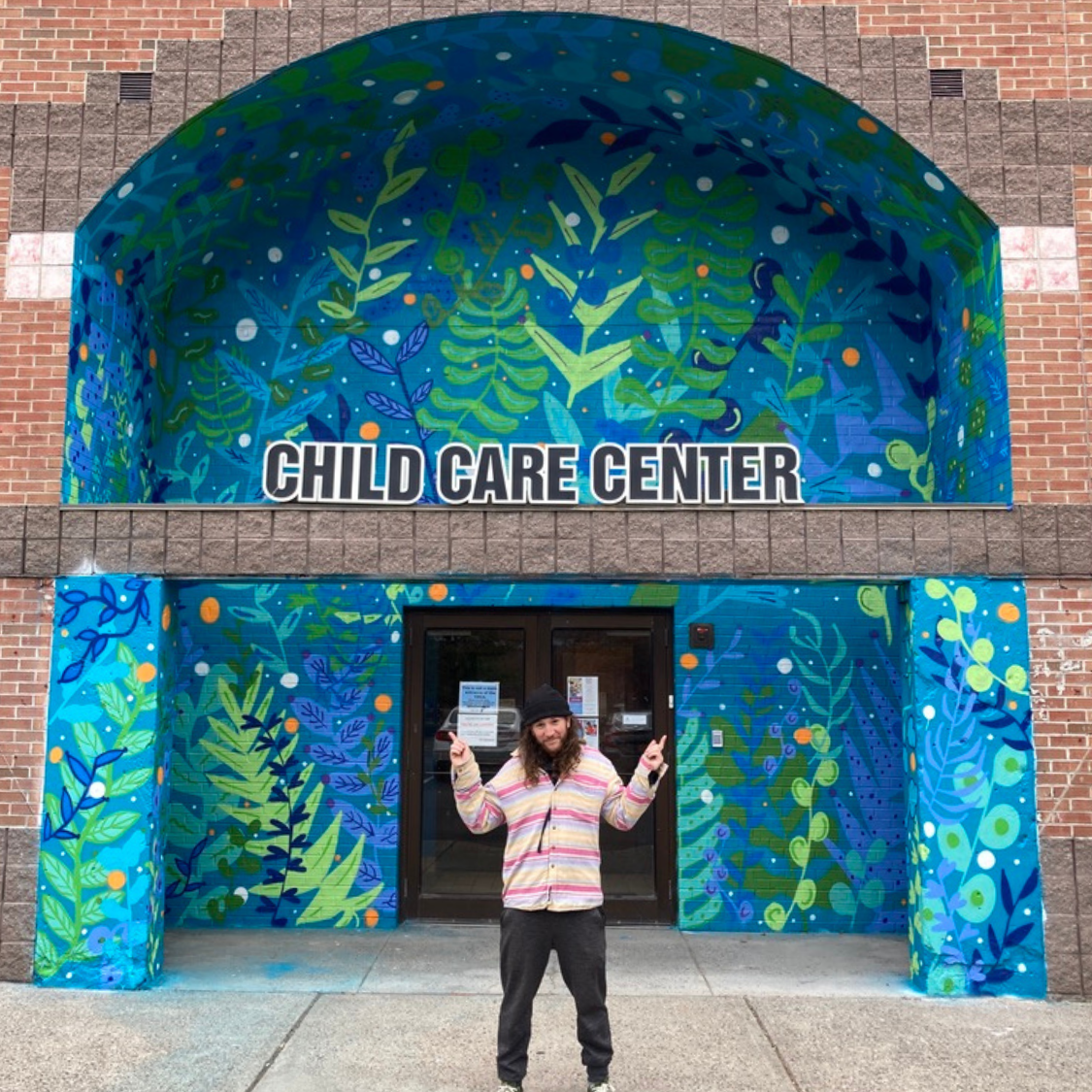
Guests will have a unique opportunity to contribute to Ramiro’s auction painting, learn about his numerous public mural installations, and bid on a custom mural project during our live auction on May 7!
Get to know Ramiro in our full Q&A:
What excites you most about being The Art Therapy Project’s Live Artist during the 2026 Spring Spectacular?
Other than painting live (which I love), I am excited to create something that can raise money for an amazing organization that I have known for about 8 years. I am also looking forward to talking with so many like-minded people about how we can continue to support the arts in therapeutic spaces.
Your work often emphasizes connection, expression, and shared creativity. Why do spaces like this gala where people come together around art, feel especially important right now?
I think spaces like this gala feel important because the world needs events like this now more than ever. With government funding cuts for the arts, mental health services, and education, events like these are almost starting to feel like a moment of resistance while raising critically needed funds. I also believe that “art” is an experience where people's experience overlaps while still having unique takeaways from how they feel or see the work on display.
What is it about working with people and communities that you find most fulfilling?
The most fulfilling part of working with communities and students is seeing how happy they are when the project (usually mural) is finished. When I paint murals it usually takes a few days, so I make sure to finish some of the characters and the main parts of the mural within the first few days so that people can envision how the mural will look when it's finished. It's always so fun to hear the “Wow” “ whooooaaaaaa”!
Community collaboration is central to your murals. How do you ensure community voices are meaningfully centered throughout the creative process?
I have a community centered mural practice, which means community members are part of every step in the creation of the mural. I usually start off the project by meeting with the group, introducing myself and holding a brainstorming workshop where I collect drawings, iconography, words, lists and all kinds of images that the community would like to see on their wall. I remind myself that this is their wall and their space, and I am here to work for them while sharing the expertise that I have to give them a voice in this process.
I then create a sketch that is true to the vision of the community and invite them to join me in painting.
The amazing thing is to see when young people, especially elementary aged kids, take part in the process. These kinds of projects help them realize that they have a voice, that their voice is important, and that they have the power to shape their surroundings by collaborating with each other. This project gives them ownership of their space, which may be the very first time in their lives where they had this kind of power…..it's awesome.
Large-scale murals are a defining part of your practice. Why is scale important in public art, particularly in spaces designed to be shared rather than privately experienced?
Impact, message and accessibility. I love making small works, going to galleries and museums. BUT oftentimes when artists sell work, the work is only seen by the person who purchased it, and it leaves the public realm. Public art serves as democratic way of experiencing and accessing art and I think this is incredibly important for humans. A mural can change someone's life…it did for me.
I also think that murals can have different goals, and all of them are important. Some murals are regionalistic in style, and want to educate the viewer about the values and iconography that makes each community unique. Other murals are created with color and shapes to make people happy. I think there is space for all of it in the public realm and we need more of them everywhere…especially in schools.
Is there a particular piece you’ve created that reflects a moment of release or self-discovery? What was that particular experience like?
I am always trying to have moments of self-discovery when I paint, because I am always trying to push myself and create work that will “wow” the community I am painting for.
In my practice, I take student artwork and trace it onto my ipad so that I can paint their exact drawing on a large scale. I think that the first time I did this and saw the public's reaction, was a time where I discovered the power of kids' art painting on a large scale. People were SOOO happy to see a kid’s “wonky dog” painted on a 10x10 ft scale. It brought so much joy to them because I think for a moment they were allowed to see the world through the eyes of a kid, and it transported them to a happy place.
What do you hope someone feels or carries with them after encountering your work in a public space, even if only for a moment?
Joy and happiness. Being a human is hard sometimes, and if someone can turn the corner and see one of my murals and feel happiness, I succeeded. I also hope that people feel a connection with others through the work. Often, public art is a shared experience with multiple people walking by the wall and talking about it. I hope each piece can create a moment where strangers talk to each other and can connect.
Super-Stories is rooted in the belief that art is something to be shared and taught. What inspired its creation, and what does its motto—“If you know something, teach it!”—mean to you in practice?
The motto is something we truly believe in and want to continue to spread through our work. As community based artists, it's our role and duty to share what we know with anyone who walks through our doors and anyone who is curious about the work we are doing. In my mural practice, I am very transparent with my process and share every step with the students or people who I am working for. I teach the teachers how to create large scale murals and hope that they use it in their teaching…that's the role of a teacher right?
I think often large scale murals are something that become intimidating to someone who is not used to working like that, so I like to demystify the process and share it, often encouraging people to pick up a brush and paint!
When you’re not painting, you’re building things, skateboarding, and raising your son, Otis. How does life outside the studio shape the way you approach your work?
I think each one of those things you mentioned have taught me a lot, especially fatherhood. With skateboarding, I learned that life is all about falling and getting back up. “You are not learning unless you are falling” and this idea has pushed me my entire life.
Becoming a father was a profound change in my life and influenced me in ways I never thought possible. I don't have much time these days, so when I can sit down and do work, I am much more deliberate, concentrated and committed to what I am doing. Before I was a father, I could spend all day thinking about what to paint, trying things out, etc. Now, the second I sit down to do work, whether it's writing grants, sketching for a mural, or making a painting, I use my time so much better.
I also have learned to be so much more patient and have become much more compassionate and understanding with other parents, family units and kids themselves.
Purchase Tickets for 2026 Spring Spectacular on May 7