
Creative Arts Therapies Week
Art therapists are at the heart of what we do. Every day, they support and honor each client’s journey, offering a safe, welcoming space for conversation and creative expression.
As we mark 15 years of providing access to art therapy, we’re especially grateful for the art therapists who make this work possible. In honor of Creative Arts Therapies Week, we’re asking our art therapists to share what this work means to them.
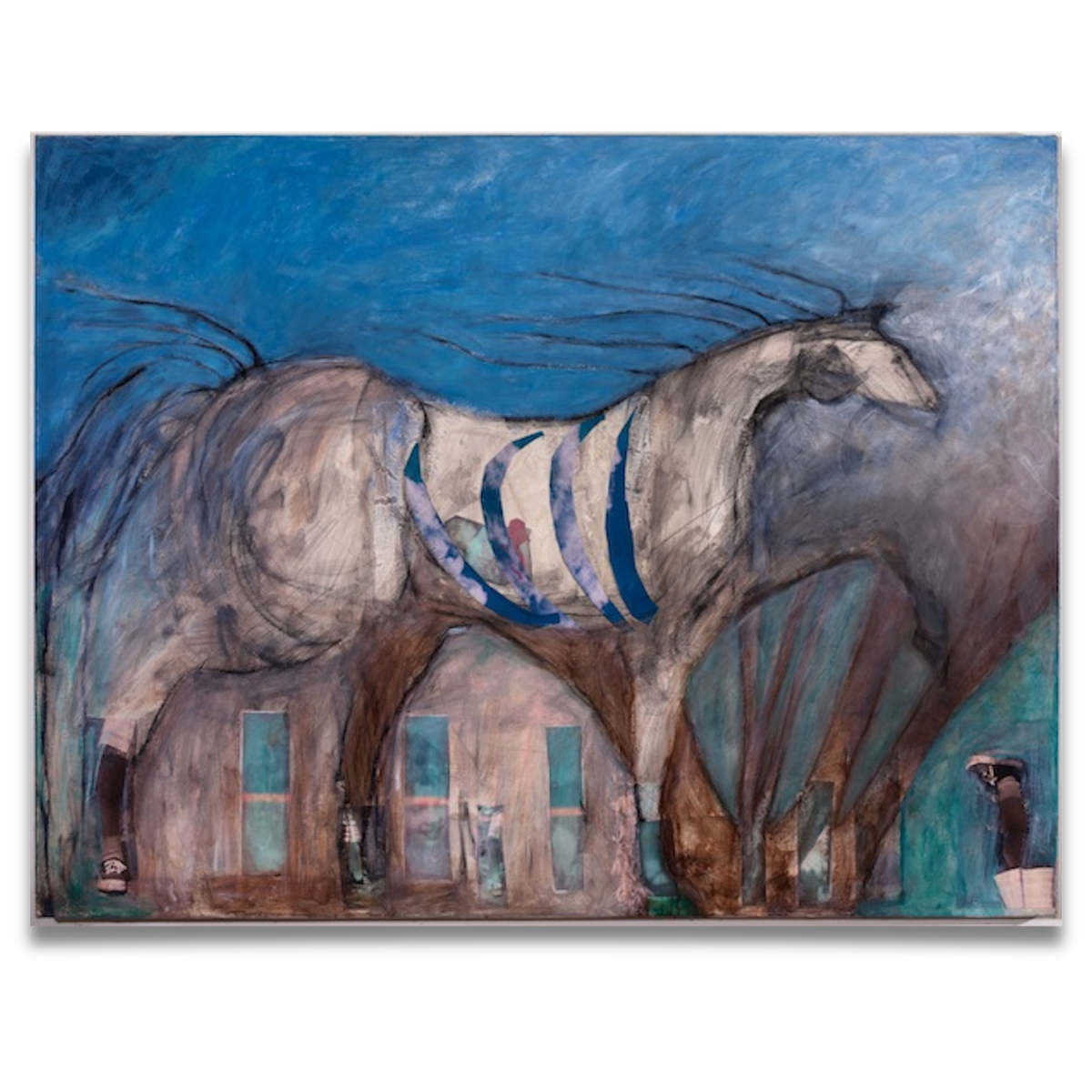
What inspired you to become an art therapist?
“I feel like I was "called" to become an art therapist after many years of making art. My own art practice connects me to myself. It has always been healing and a tool for personal growth. When I share art as a healing modality it takes the pressure off my own work to find a place in the "art world". The important thing is that I'm sharing the ability to find one's strengths through self expression.”
Karen Gibbons, ATR-BC, LCAT
Shown Left: “Sue, In Memory of You”, Mixed Media-Collage, Acrylic & Charcoal
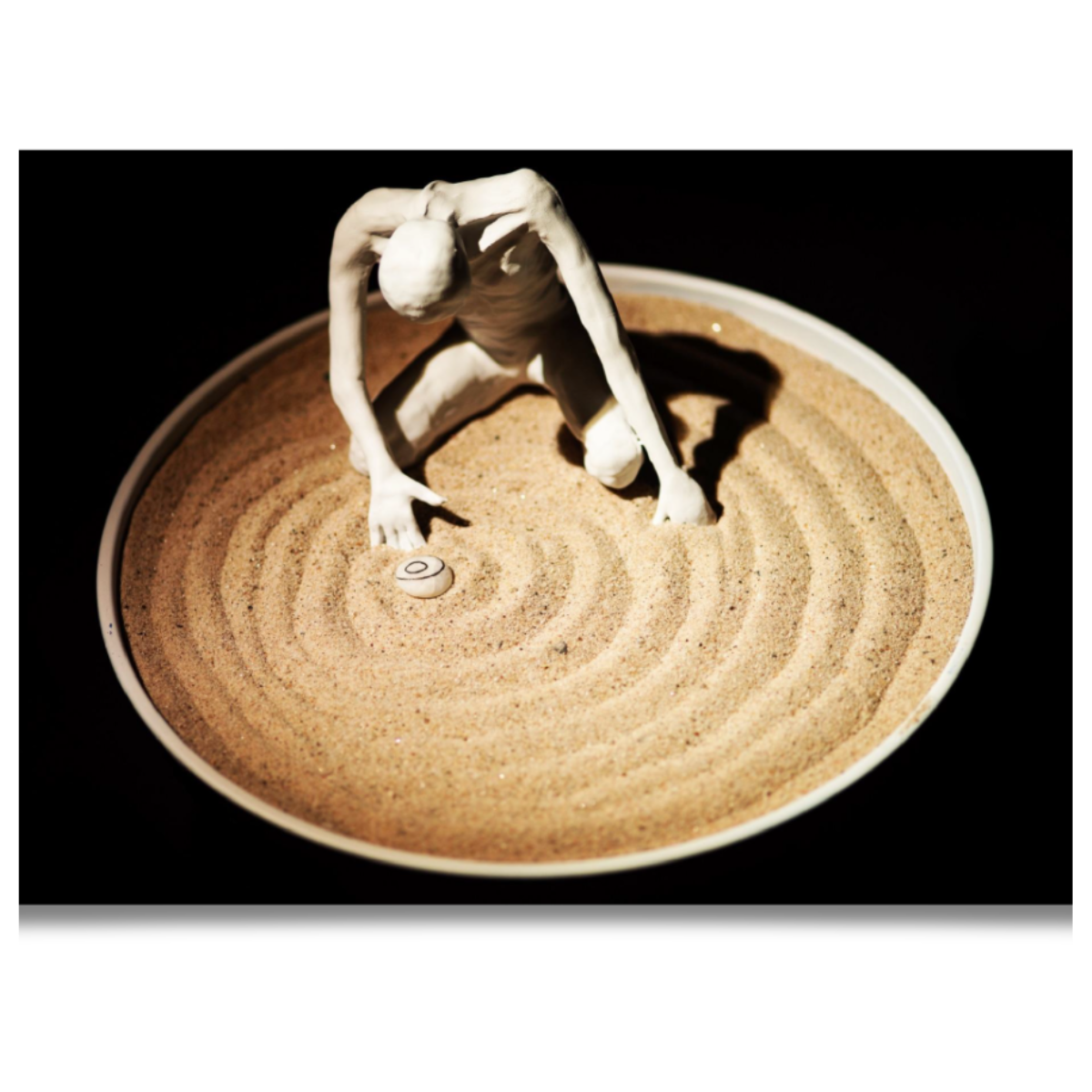
How does your personal art practice inform your work with clients?
“The use of materials that inspire my prompts are a major pillar of how I bridge my personal art making into my art therapy practice. I am always collecting objects, like branches, rocks, and shells, then creating with plaster, wood, and clay to fuse these components into one. This process engages the left hemisphere by supporting problem-solving and executive functioning within the prefrontal cortex, while simultaneously activating the right hemisphere through play, discovery, and a connection to our inner child and the archaic ways of making art that have always existed."
Laura Cuillé, ATR-BC, LCAT
Shown Left: “River, Ground Me”, Clay, Paint, Sand, Rock, Tray
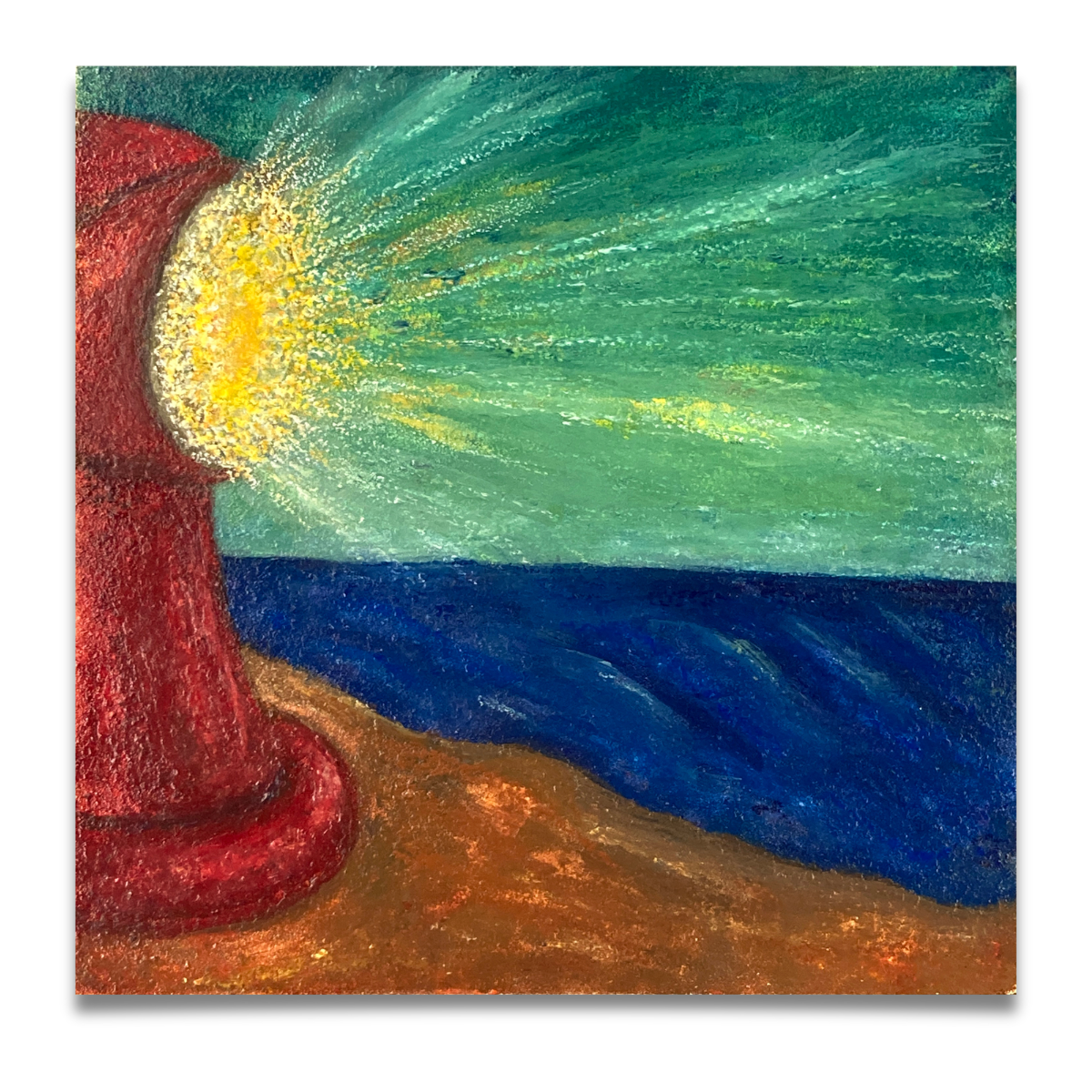
What feels most meaningful to you about being an Art Therapist?
“I have done many things in this life, as work, and being an art therapist is the best work I have ever done. What I find most meaningful about being an art therapist is the opportunity to work directly with people, helping to nurture and support the emergence of their best self; giving unspoken parts of their life a place in the world through the creative process, and then helping them find the words to untangle and share these complex feelings.”
Joshua Brancheau, MPS, ATR-BC, LCAT
Shown Left: “Process Alight”, Watercolor Crayons on Aquaboard
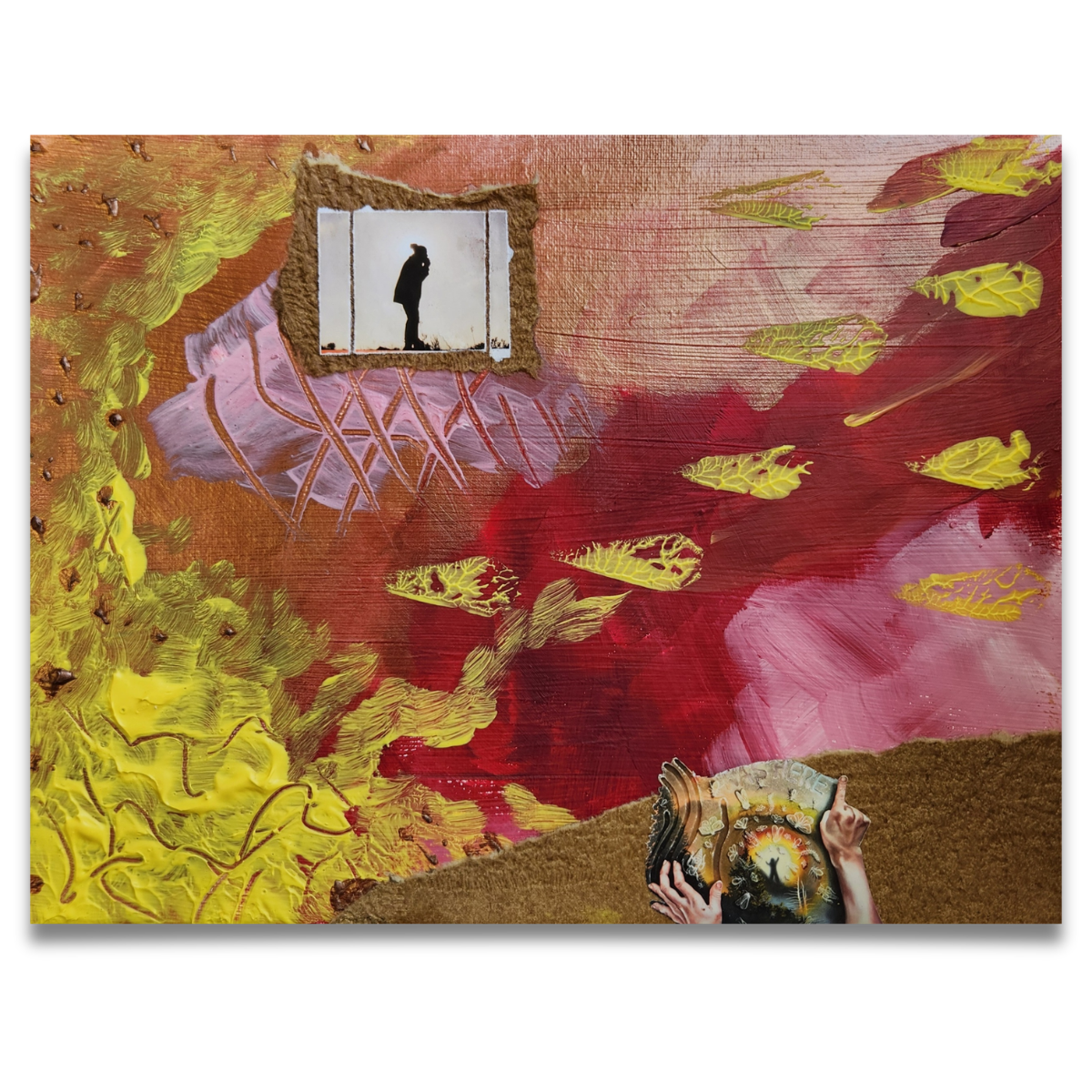
What inspired you to become an art therapist?
“For me, creative self-expression was a natural pathway which evolved and changed over time. I learned that artmaking could be a way to fill the gaps between words and internal experiences, a process that became very valuable to me. Thanks to a very supportive art teacher, I learned that this foundation of my own experience has its place in a mental health profession. I was inspired to pursue the path of becoming an art therapist to learn how to support other people in embracing the potential of the art process to help make sense of our internal self, our shared outside world and our experiences.”
Jenny Asaro, MPS, ATR-BC, LCAT
Shown Left: Untitled, Mixed Media
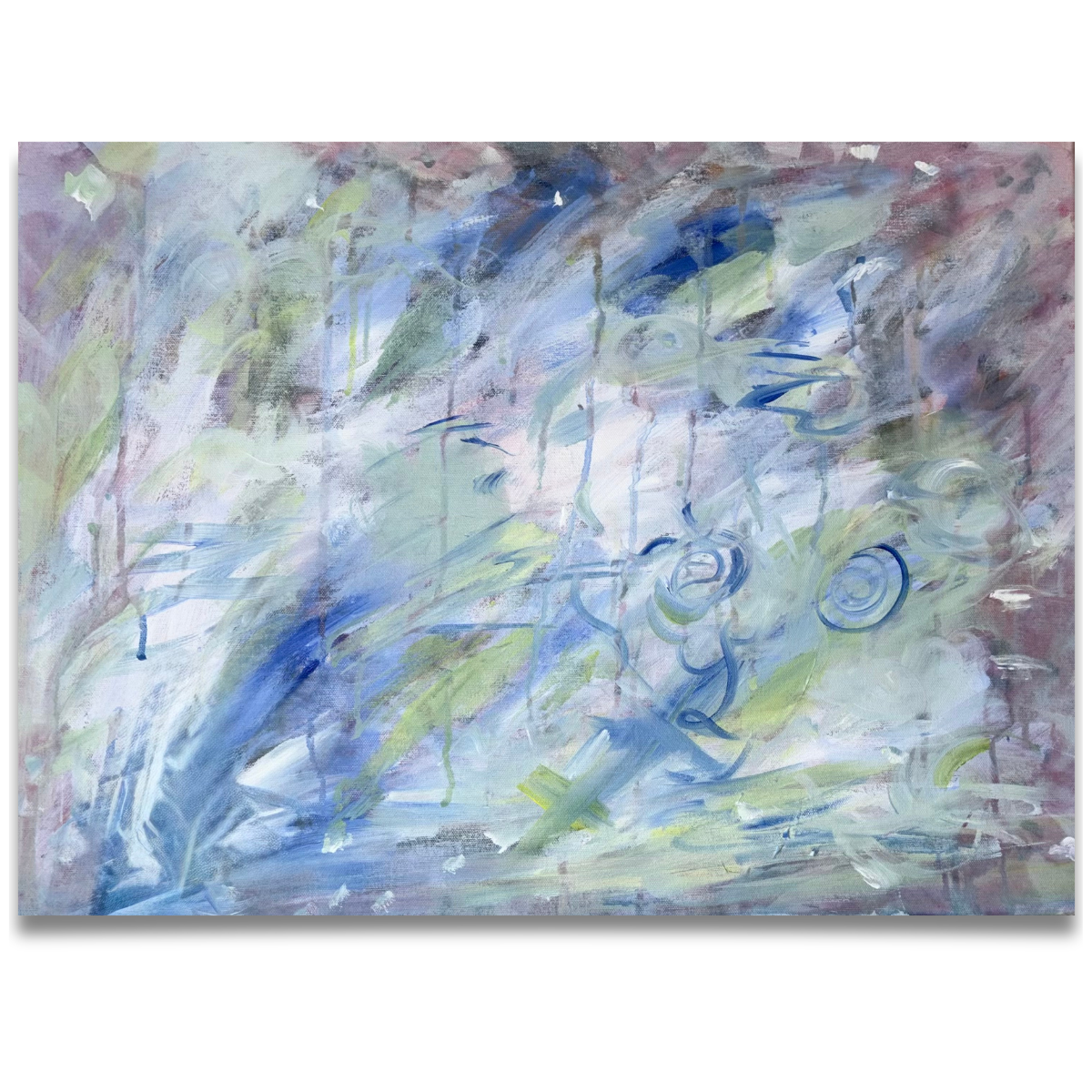
What feels most meaningful to you about being an Art Therapist?
“It’s witnessing the power of art as a pathway for connection. Working in schools, I see how shared art-making provides students a space to connect more deeply with themselves and with others. Creating in a group invites reflection, creativity, and play, while fostering a sense of community and belonging. In these spaces, art becomes a language beyond words, allowing students to express what can be hard to say out loud. Watching students find their voice through art, connect with one another, and express themselves is what makes this work so meaningful to me.”
Allison Sabbagh, ATR-P, LCAT-LP
Shown Left: Untitled